

What is the Fair Labor Standards Act (FLSA) and Why It Matters to Employers and Employees
Are you being paid correctly? Is your business unintentionally breaking federal wage laws? The Fair Labor Standards Act governs overtime, employee classification, and pay requirements. This article explains what you an employee and employer needs to know.

You Have a Prevailing Party Attorney’s Fees Clause. Now What?
Having a prevailing party attorney’s fees clause doesn’t mean fees are guaranteed. This article explains when courts actually award attorney’s fees and why partial wins or “technical victories” often aren’t enough.

Breach of Contract and Tort Claims: The Economic Loss Rule Explained
Not every contract dispute supports a tort claim. This article explains how the economic loss rule limits damages in contract cases and why most disputes do not belong in tort.
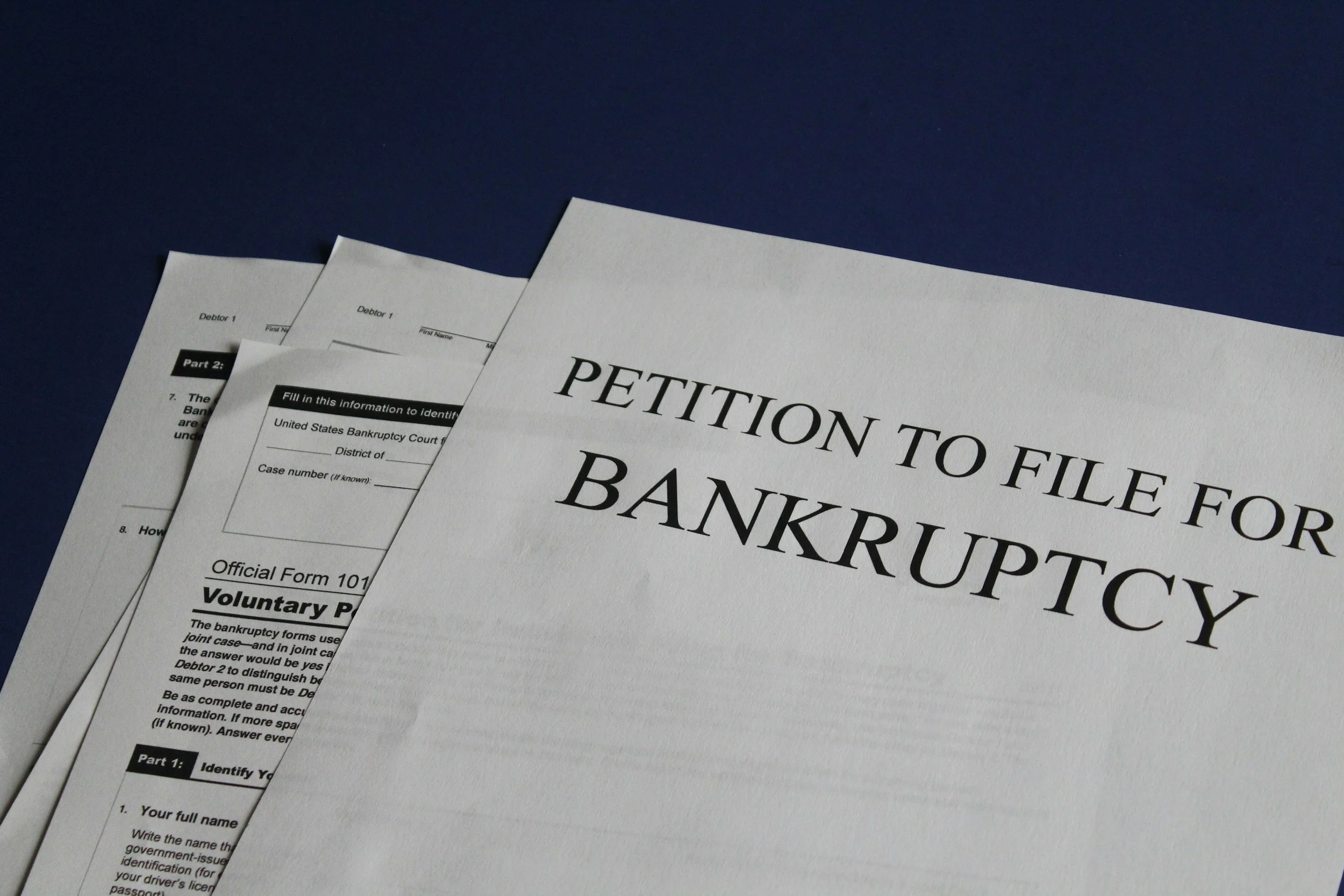
What Happens If the Defendant Files for Bankruptcy in the Middle of Litigation?
If the other party in your lawsuit files for bankruptcy, it can pause your case, but knowing how to protect your claim and which debts are non-dischargeable could be the difference between getting paid or losing your rights.

When Can a Contract Be Canceled?
While contracts are meant to be binding, there are circumstances where fairness demands that a contract is not enforceable. Learn the circumstances where the law allows a contract to be unenforceable.

What Is a Deposition? A Plain-English Guide to One of the Most Important Parts of a Lawsuit
Depositions can make or break a lawsuit. This article explains what they are, why they matter, and how sworn testimony outside the courtroom can shape the outcome of your case.

Piercing the Corporate Veil in Florida: When Can the People Behind the Company BE SUED?
This article explains when the legal foundation of a business can crack, allowing courts to pierce the corporate veil and hold individuals personally liable in Florida.

When a Broken Promise Breaks the Contract: Understanding Material Breach
Before you cancel a contract, learn how Florida law distinguishes between a deal-breaking failure and a minor misstep.

Who Pays Attorney’s Fees in Florida? What You Need to Know Before Filing a Lawsuit
Think the other side has to pay your attorney if you win? Florida law says otherwise, and this article explains what you need to know before filing suit.

What Is a Mechanics Lien, AND Why Getting It Wrong Can Cost You Big
A Florida mechanics lien requires strict compliance with statutory deadlines or the right to payment can be lost entirely.

Three More Contract Clauses You Should Always Understand Before Signing
This article highlights three commonly overlooked contract clauses—indemnification, attorney’s fees, and waiver—and explains why understanding them before signing can help prevent unexpected liability and protect your legal rights.

Starting a Business with a Partner in Florida? When Florida Law Becomes Your Business Partner
If you own a business with someone else and don’t have a written partnership agreement, Florida law automatically controls your relationship, often in ways not intended. Making a custom agreement essential to protect your business and investment.

What Is an Anti-SLAPP Law?
Florida’s Anti-SLAPP law protects free speech by helping dismiss meritless lawsuits meant to silence public participation. It offers fast court review and fee recovery but isn’t a complete shield.

Three Common Contract Clauses You Should Always Understand Before Signing
Don’t overlook “boilerplate” contract clauses—they can have a big impact. Learn how Integration, Choice of Law/Forum, and Force Majeure clauses affect your rights and obligations.

Why Every Business Should Have an Employee Handbook
A well-crafted employee handbook sets clear expectations, supports happy employees, and protects your business from costly disputes. Learn why a personalized handbook can pay for itself in morale and legal protection.

What Is At-Will Employment? A BRIEF Guide for Employees and Employers in Florida
In Florida, at-will employment means that either an employer or employee can end the job relationship at any time for almost any reason—but it’s important to know which reasons are illegal, and how having a clear written contract can provide extra job security and peace of mind.

A Short Contract Clause With A Big Impact: What is a Severability Clause?
A severability clause protects a business by ensuring that if one provision of a contract is found unenforceable, the rest of the agreement remains valid—without it, a single invalid clause can void the entire contract and limit recovery to basic costs rather than expected profits.

The Importance of Trademarking Your Business Name
A business that fails to trademark its name and branding risks losing customers, reputation, and control of its identity when others—often larger companies—legally use the same or similar brand, creating confusion and undermining everything the owner worked hard to build.

When Does an Online Review Become Defamation?
When an online review crosses the line from helpful to other consumers into defamation.

Is Your Contract Enforceable? Common Issues That Can Invalidate an Agreement
Not every agreement you sign will hold up in court—understanding the factors that can make a contract unenforceable is essential to protecting your rights and avoiding costly disputes.